
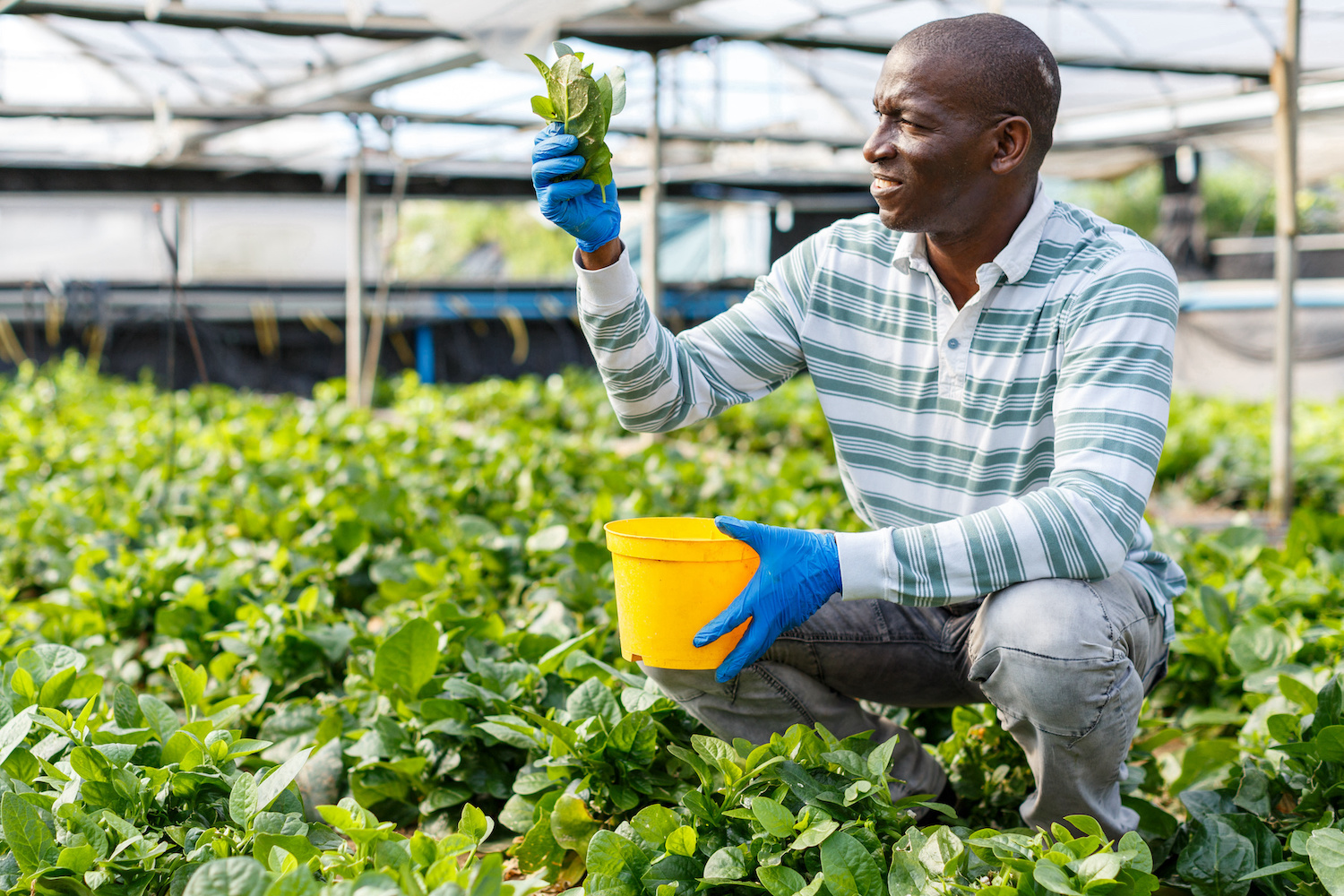
Africa holds 60% of the world’s uncultivated arable land, yet the continent remains a net food importer, spending more than $50 billion annually on basic commodities. This paradox represents both a structural weakness and a massive opportunity. With targeted investment, agribusiness can become Africa’s biggest employer, strongest export base, and the foundation of true economic sovereignty.
This article outlines how bold financing, innovation, and value-chain development driven by institutions like Dova Capital, can unlock Africa’s food security and agribusiness potential.
Africa’s Agricultural Paradox: Abundance amid Scarcity
Africa is naturally positioned to feed itself and supply global markets, yet multiple constraints block productivity:
Key structural issues:
- Low mechanization (Africa has the lowest tractor density in the world)
- Weak storage and cold chain systems
- Heavy post-harvest losses (30–50% in some regions)
- Limited access to finance for farmers and processors
- Fragmented value chains
- Climate risks
- Poor rural infrastructure
As a result, the continent imports food it could produce—rice, wheat, sugar, poultry, tomatoes—exporting jobs and draining foreign exchange.
But this gap also signals a multi-billion-dollar investment frontier.
Agribusiness Is Not Farming — It Is Industrialization
Africa must shift from subsistence farming to full-scale agribusiness, which covers the entire value chain:
Upstream
- Inputs (seeds, fertilizer, crop protection)
- Mechanization & irrigation
- Climate-smart technologies
Midstream
- Processing & packaging
- Storage
- Logistics & cold chain
- Aggregation centers
Downstream
- Retail distribution
- Exports
- Digital marketplaces
Each node represents a business opportunity, a job cluster, and a potential investment pipeline.
Countries that have industrialized agriculture—Brazil, Vietnam, Thailand—did not do so by focusing on farming alone.
They invested in processing, logistics, and export competitiveness.
Africa can do the same—with the right type of capital.
Priority Investment Opportunities across the Value Chain
Africa’s agricultural sector could triple in value by 2035, but only if capital targets high-impact areas.
- Agro-processing
Africa currently exports raw products and imports processed foods.
Processing creates 10x more value than raw output.
Investment areas:
- Rice mills
- Cassava processing
- Tomato paste factories
- Palm oil processing
- Dairy processing
- Cocoa & coffee value addition
- Cold chain & storage infrastructure
Post-harvest losses drain billions annually.
Cold chain logistics can unlock regional and global trade.
- Mechanization services
Africa needs shared mechanization hubs offering:
- Tractors
- Harvesters
- Irrigation equipment
These hubs can serve thousands of farmers at affordable rates.
- Commercial farming clusters
Out grower models + processing facilities = scalable industrial agriculture.
- Agri-tech and digital platforms
Smart irrigation, satellite mapping, mobile advisory, e-commerce, and digital input financing are transforming rural productivity.
- Agricultural export competitiveness
Africa can dominate markets in:
- Cocoa
- Fruits & vegetables
- Herbs & spices
- Sesame
- Cashew
- Avocado
- Flowers
But only with investment in logistics and quality control.
Why Financing Is the Missing Link — and the Opportunity

Agriculture is profitable but considered “high-risk” by traditional lenders.
Most farmers and processors lack:
- Collateral
- Credit history
- Long-term financing
- Affordable interest rates
- De-risking support
This creates a financing void that Dova Capital is positioned to fill.
Africa needs:
- Patient capital
- Blended finance structures
- Value-chain financing
- Equity + mezzanine instruments
- Long-term loans for processing plants and logistics
- Risk-sharing facilities
This is where developmental investors can generate both impact and competitive returns.
Dova Capital’s Strategic Role in Africa’s Agricultural Transformation
Dova Capital’s agribusiness investment thesis focuses on:
- Financing processing and value addition
To reduce imports and expand local manufacturing.
- Building partnerships for agricultural clusters
Working with:
- State governments
- Commodity boards
- Off-takers
- Farmer cooperatives
- Development agencies
- Supporting agri-SMEs with affordable capital
Especially women and youth innovators.
- Strengthening food security through infrastructure investment
Storage, logistics, and irrigation systems.
- Catalyzing climate-smart agriculture
To enhance resilience and productivity.
- Leveraging diaspora capital
To fund high-growth agri-projects.
Agriculture is not just a sector for Dova Capital—it is a strategic pillar that aligns with national development plans and Africa’s long-term prosperity.
The Economic & Developmental Impact
Strategic agricultural investment delivers:
- Food security
- Millions of jobs
- Foreign exchange savings
- Export revenue
- Rural development
- Poverty reduction
- Gender-inclusive growth
- Industrialization
- Climate resilience
No other sector delivers such broad, immediate, and long-term impact.
Agribusiness is Africa’s greatest untapped wealth engine.
When powered by patient, catalytic capital, it can shift the continent from a net importer to a globally competitive agricultural powerhouse.
Dova Capital is committed to leading this transformation—unlocking value chains, funding processing capacity, empowering SMEs, and building the food-secure, prosperous Africa of the future.